US Naval Blockade Seals Iranian Ports — Zero Traffic
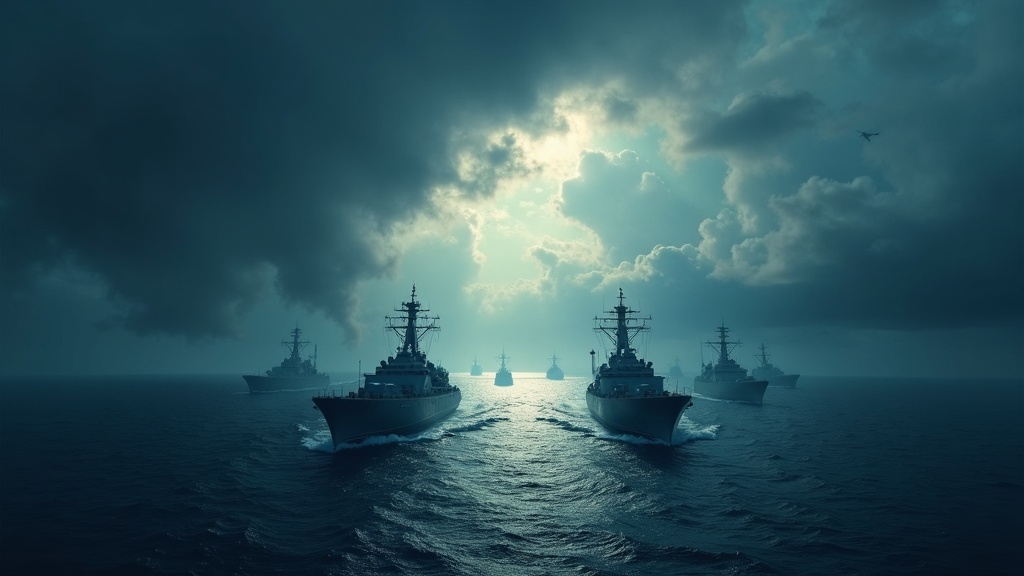
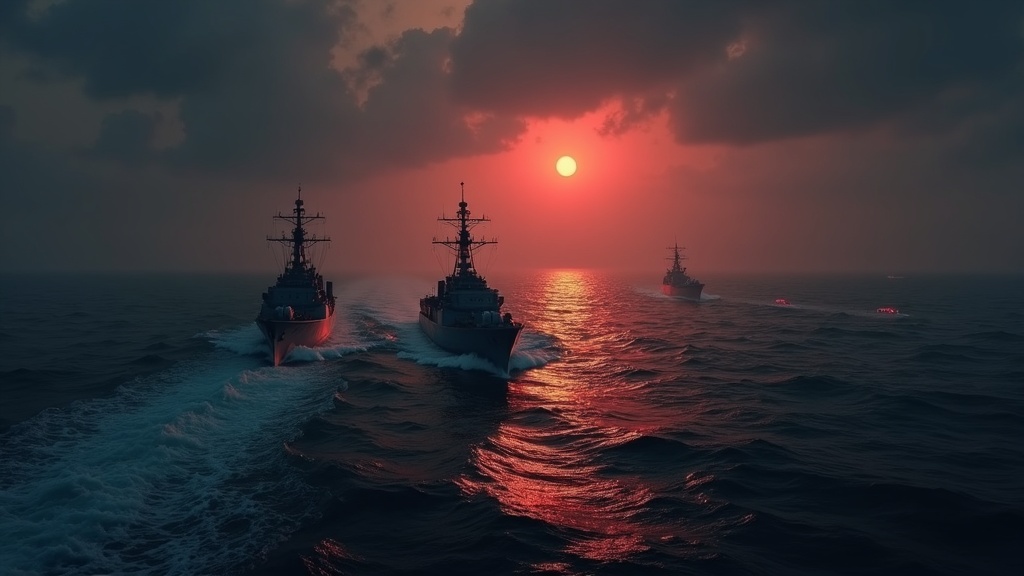
On April 14, 2026, the US Central Command (CENTCOM, oversees military operations across the Middle East and Central Asia) reported that no ships crossed its naval blockade of Iranian ports in the first 24 hours of enforcement. Six merchant vessels turned around under naval orders and reentered an Iranian port on the Gulf of Oman. This is not a warning shot — this is a full economic stranglehold.
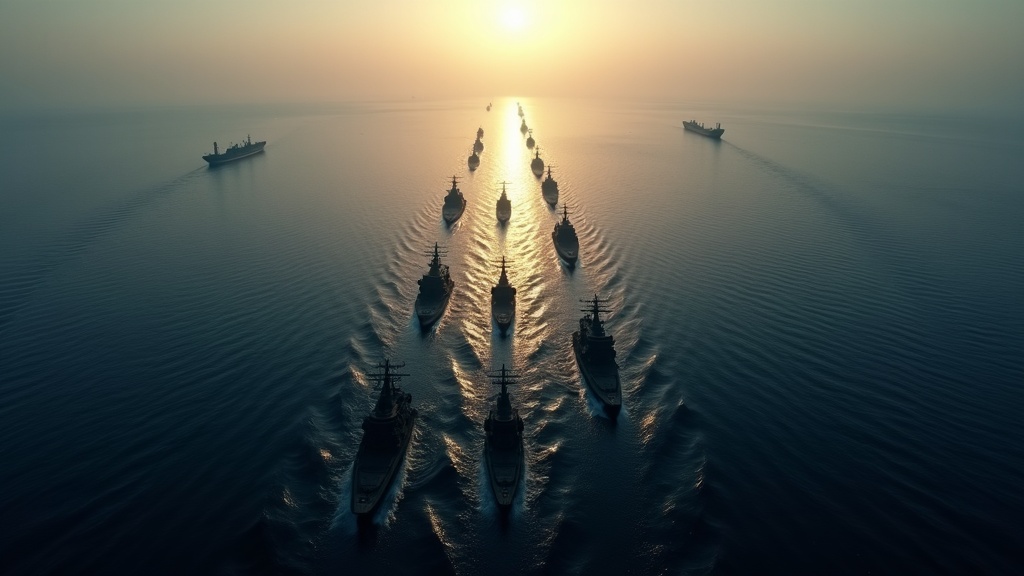
The blockade began April 13, 2026, at 10 a.m. Washington time, deploying more than 10,000 US sailors, Marines and airmen alongside a dozen warships and dozens of aircraft. CENTCOM enforces the blockade impartially against all nations entering or departing Iranian ports on the Persian Gulf and Gulf of Oman. Vessels transiting the Strait of Hormuz (the narrow waterway linking the Persian Gulf to global shipping lanes, carrying roughly one-fifth of global oil) to non-Iranian ports still enjoy freedom of navigation.
The move follows failed peace talks in Pakistan over the weekend. Washington seeks to choke Iran’s oil exports — the Islamic Republic’s primary revenue source — until Tehran accepts US terms. For investors, this is the trigger moment: Iran either folds under pressure or escalates asymmetrically. Energy markets, shipping insurance and Middle East equity exposure all hang on what happens next.
Trump Signals Round Two Talks — Pakistan, Not Europe
On April 14, 2026, US President Donald Trump told the New York Post that additional peace talks with Iran could happen within two days in Pakistan, reversing earlier indications that the next round would take place in Europe. This is diplomatic whiplash, but it reveals something useful: both sides still see a deal as possible before the April 22, 2026 ceasefire deadline.
During the first round of negotiations in Islamabad on April 12-13, 2026, Washington proposed a 20-year suspension of all Iranian nuclear activity, according to The New York Times. Iran countered with a five-year suspension, per two senior Iranian officials and one US official. Other sticking points include Iran’s frozen assets, lifting of primary and secondary sanctions, and Tehran’s claimed right to control the Strait of Hormuz.
Trump criticized media coverage of the 20-year proposal, telling the Post he prefers a permanent ban: “I’ve been saying they can’t have nuclear weapons, so I don’t like the 20 years.” Meanwhile, Reuters reported that Washington will not renew a 30-day waiver on sanctions against Iranian oil at sea, set to expire April 19, 2026. The waiver on Russian oil at sea already lapsed April 12, 2026. For operators, this means tighter supply, higher freight costs and renewed sanctions enforcement across dual-origin crude flows.
South Korea Bans Feedstock Hoarding — War Hits Petrochemicals
On April 15, 2026, South Korea’s industry and finance ministries jointly announced a ban on hoarding seven key petrochemical feedstocks — ethylene, propylene, butadiene, benzene, toluene, xylene and light oil fractions — effective midnight. This is supply-chain panic codified into law.
Businesses handling these materials cannot hold inventories exceeding 80 percent of year-ago levels in the 30 days before an inspection. The government may expand restrictions to downstream derivatives if disruptions persist and can order emergency adjustments to production, shipments and sales. The measure responds to rising naphtha prices driven by Middle East tensions, which squeeze production and fuel hoarding fears.
South Korea (a major manufacturing economy heavily reliant on imported energy and petrochemical inputs) faces direct exposure to Strait of Hormuz disruptions. For investors, this signals that Asian governments are bracing for prolonged supply stress — not a quick resolution. Chemical manufacturers, plastics producers and automotive supply chains all face input cost volatility and potential production caps.
South Korea’s Import Prices Surge 16.1% — Steepest Jump Since 1998
On April 15, 2026, the Bank of Korea (BOK, South Korea’s central bank) reported that import prices jumped 16.1 percent month-on-month in March 2026 — the sharpest increase since January 1998, when prices rose 17.8 percent. This marks the ninth consecutive monthly increase since July 2025 and an 18.4 percent year-on-year gain.
Dubai crude, South Korea’s benchmark, soared 87.9 percent month-on-month to $128.52 per barrel in March 2026 as the US-Israeli strikes on Iran, which began late February 2026, disrupted global oil supplies. Import prices for crude oil surged 88.5 percent in won terms — the steepest increase on record, according to BOK official Lee Moon-hee. The Korean won weakened to an average of 1,486.64 per dollar in March 2026, compared with 1,449.32 in February 2026.
Raw material prices jumped 40.2 percent month-on-month, while intermediate goods rose 8.8 percent. Export prices climbed 16.3 percent month-on-month — also the sharpest gain since January 1998 — driven by petroleum products and semiconductors. For investors, this is inflation acceleration in real time. Input costs are spiraling, currency depreciation is amplifying the shock and central banks face impossible trade-offs between growth support and price stability.
The blockade isn’t just about oil — it’s about who controls the terms of reentry into global trade. Washington is betting that Tehran will crack before the April 22 ceasefire expires, but Iran has asymmetric tools: proxy forces, cyber capabilities and the physical choke point of Hormuz itself. South Korea’s emergency hoarding ban and record import price surge show that Asian economies are already absorbing the cost, even without shots fired.
Watch the April 19 sanctions waiver expiration and Trump’s next Pakistan trip — if it happens. If talks collapse and the blockade holds past April 22, energy markets reprice higher and every supply chain touching Middle East inputs tightens further. If a deal emerges, expect a sharp relief rally — but also lingering risk premiums on anything Iran-adjacent. Position accordingly: hedge energy exposure, monitor currency volatility in won and other Asian FX, and track feedstock availability in chemicals and plastics.
If this was useful, drop a like or comment below. More signal, less noise — every time.
AI Ludens — a creator who works with AI as if it were play.
“Ludens” is Latin for “the one who plays,”
borrowed from Johan Huizinga’s Homo Ludens.
I believe creation alongside AI is meaningful play.
Using n8n, Claude Code, and Google Cloud,
I design and operate content automation pipelines
that grow wiser with every iteration.
I build and run multiple automated media properties,
including worldsignal.site, worldbriefed.world,
and the YouTube channel “500-Year Protocol.”
From publishing to video production,
everything runs as an automated system — built with AI, beside AI.
Each article is reviewed and edited by AI Ludens before publishing to ensure factual accuracy and editorial quality