Trump Sets Tuesday Deadline — Iran Power Grid in Crosshairs
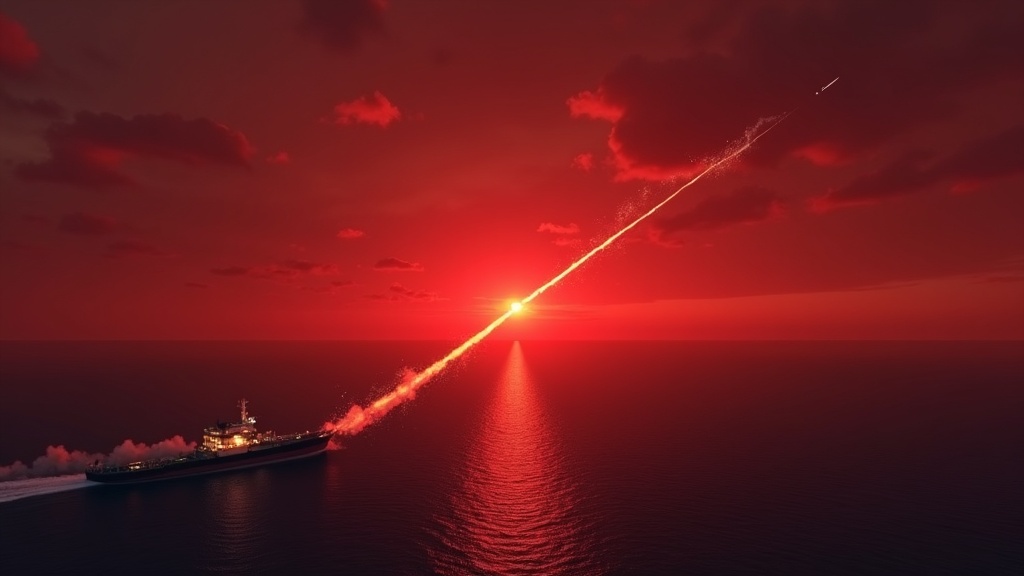
On April 5, 2026, US President Donald Trump announced a new deadline for Iran to reopen the Strait of Hormuz — Tuesday evening, April 8, at 8:00 PM Eastern Time. This is the fourth deadline extension since March 21, when Trump first threatened to obliterate Iran’s power plants within 48 hours. The stakes remain unchanged: if Iran does not fully open the waterway, the US will strike power plants and bridges across the country. Trump told The Wall Street Journal that Iran would need 20 years to rebuild if strikes proceed. The extensions reflect growing concern in Washington about prolonged conflict and its impact on oil prices ahead of November midterm elections. The Strait of Hormuz — a 21-mile-wide chokepoint carrying roughly one-fifth of global oil — has been effectively blocked since late February, when Iran retaliated for US-Israeli strikes. For investors, the pattern is clear: Trump is buying time, but the window is narrowing. Every extension reduces credibility and raises the cost of backing down. If strikes occur Tuesday, expect immediate oil price spikes and regional supply chain disruption. If they don’t, watch for a collapse in US negotiating leverage across the Middle East.
South Korea Stranded — 26 Ships Stuck, No Exit Plan
On April 5, 2026, South Korea’s foreign ministry confirmed that 26 South Korean vessels carrying 173 sailors remain stranded in the Strait of Hormuz, even as Japan-linked tankers and ships from China, Thailand, and France have been allowed to pass. This is selective enforcement, not blanket closure. Iran has indicated ships can transit through bilateral consultations, effectively imposing a toll system and leveraging control over global energy flows. Seoul said it is not pursuing talks to secure withdrawal at this stage, citing attack risks and shipping company preferences to wait in place. South Korea has joined discussions led by major countries — excluding the United States — to coordinate responses, but no breakthrough has emerged. For supply chain managers, the takeaway is straightforward: Iran is using the strait as a negotiating tool, not a war zone. Ships with leverage — diplomatic, commercial, or both — are moving. Those without are stuck. Companies with exposure to South Korean logistics should prepare for extended delays and explore alternative routing through the Cape of Good Hope, despite the added cost and time.
Seoul Braces for Economic Fallout — Lee Pledges Crisis Response
On April 5, 2026, South Korean President Lee Jae Myung pledged to prevent the Middle East conflict from escalating into a broader economic crisis for South Korea. Speaking at an Easter service at Yoido Full Gospel Church in Seoul, Lee said his administration would mobilize all available policy tools to shield the economy, which had been recovering before the US-Israeli strikes on Iran in late February. He emphasized the need for national unity and called on the Christian community to lead efforts in bringing the population together. Lee’s remarks signal mounting concern in Seoul about the war’s impact on energy costs, inflation, and trade flows. South Korea is heavily reliant on Middle Eastern oil and has significant trade exposure to both Iran and Gulf states. For investors, Lee’s tone reflects the scale of the problem: this is not a contained regional dispute. South Korea’s government is preparing for sustained disruption, not a quick resolution. Expect fiscal stimulus, currency intervention, and potential emergency energy stockpile releases if the strait remains closed beyond April. Watch bond yields and won volatility as leading indicators.
Iran’s Selective Passage — Who Moves, Who Waits
On April 5, 2026, reports confirmed that several ships linked to Japan, China, Thailand, and France have transited the Strait of Hormuz, while others remain blocked. This is not random. Iran is using the strait as a lever to extract concessions and impose de facto tolls on global energy flows. South Korea’s foreign ministry acknowledged the situation publicly, noting that ships differ widely in nationality, ownership, operators, cargo, destinations, and crew — leading to differing circumstances for each vessel and country. Seoul said it is working with relevant nations to restore freedom of navigation in line with international norms, but offered no timeline or specific measures. For commercial operators, the message is clear: Iran is making bilateral deals, not honoring universal passage rights. Companies with ships in the area should assess their leverage — diplomatic relationships, cargo type, and destination matter more than flag state or international law right now. If your vessel lacks leverage, prepare for extended delays or costly rerouting. If you have it, use it now before the window closes.
The countdown is on, and the market is pricing in a binary outcome. Either Trump strikes Tuesday night, or he loses the last shred of deterrence in the region. Tehran knows it. Beijing is watching. Moscow is taking notes. Today’s four stories show the same pattern: deadlines that slide, leverage that shifts, and supply chains that fragment along political fault lines. If this was useful, drop a like or comment below. More signal, less noise — every time.

AI Ludens — a creator who works with AI as if it were play.
“Ludens” is Latin for “the one who plays,”
borrowed from Johan Huizinga’s Homo Ludens.
I believe creation alongside AI is meaningful play.
Using n8n, Claude Code, and Google Cloud,
I design and operate content automation pipelines
that grow wiser with every iteration.
I build and run multiple automated media properties,
including worldsignal.site, worldbriefed.world,
and the YouTube channel “500-Year Protocol.”
From publishing to video production,
everything runs as an automated system — built with AI, beside AI.
Each article is reviewed and edited by AI Ludens before publishing to ensure factual accuracy and editorial quality